Adhd Can Only Be Diagnosed If Symptoms Emerge Before Adolescence Attention Deficit Hyperactivity Disorder
Begin Now adhd can only be diagnosed if symptoms emerge before adolescence VIP on-demand viewing. On the house on our video archive. Immerse yourself in a broad range of curated content made available in first-rate visuals, a must-have for first-class watching junkies. With the latest videos, you’ll always keep current. Check out adhd can only be diagnosed if symptoms emerge before adolescence curated streaming in high-fidelity visuals for a truly captivating experience. Link up with our media center today to get access to one-of-a-kind elite content with no charges involved, registration not required. Get frequent new content and navigate a world of special maker videos conceptualized for first-class media admirers. This is your chance to watch never-before-seen footage—download quickly! Enjoy top-tier adhd can only be diagnosed if symptoms emerge before adolescence bespoke user media with flawless imaging and preferred content.
Adhd can only be diagnosed if symptoms emerge before adolescence. Symptoms also need to have started before 12 years old. The statement that adhd can only be diagnosed if symptoms emerge before adolescence is false
Attention-Deficit/Hyperactivity Disorder (ADHD)
Adhd can be diagnosed in both children and adults To make a diagnosis, the child needs to display symptoms for more than six months and in at least two settings (home and school or place of occupation) While it is more commonly diagnosed in childhood, it is possible for symptoms to persist or develop later in life
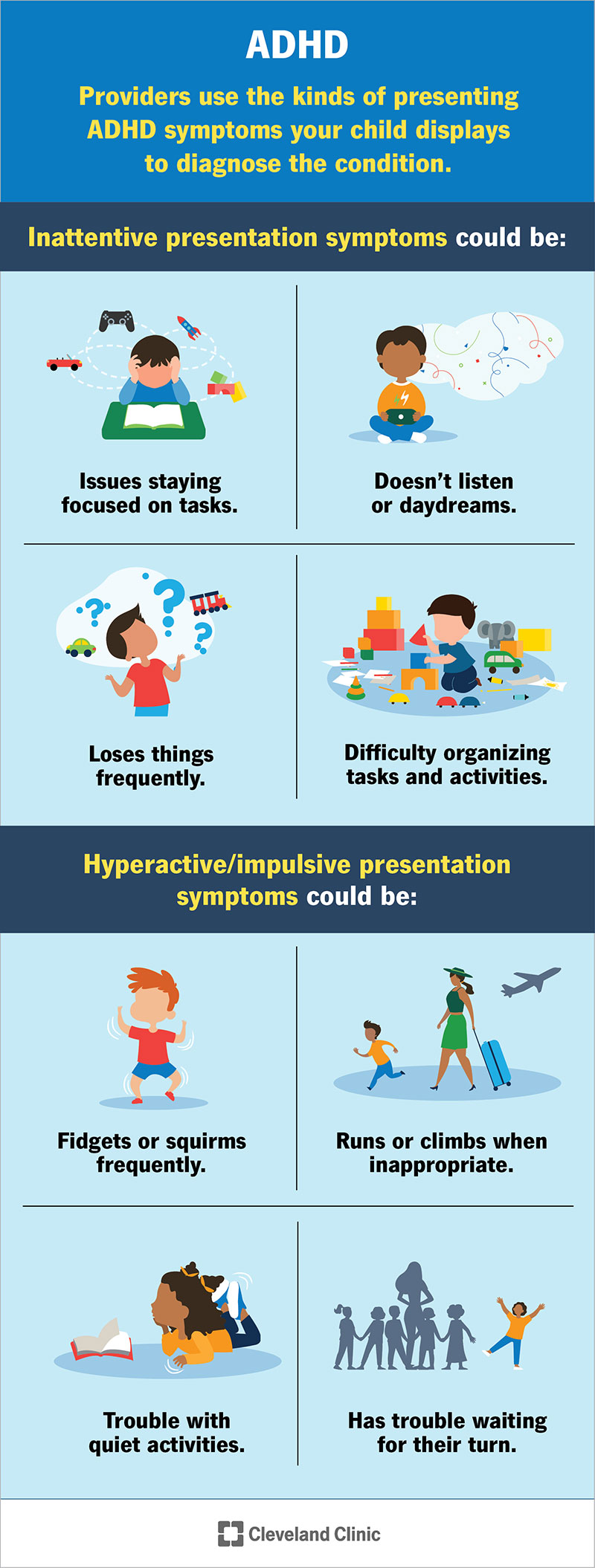
Adhd is a neurodevelopmental disorder characterized by symptoms of inattention, impulsivity, and hyperactivity
There are two complex challenges to be faced when diagnosing adhd in adults for the first time. The assertion that adhd can only be diagnosed if symptoms emerge before adolescence is inaccurate and, potentially, harmful It also underscores the chronic and pervasive nature of adhd, as symptoms typically persist into adolescence and adulthood if left untreated Early identification and intervention are crucial for managing adhd effectively and improving outcomes for individuals affected by the condition.
Now researchers are exploring the possibility that adhd can develop later in life even without diagnosable symptoms before adolescence Researchers are asking if this is one of the reasons more women are being diagnosed with adhd in adulthood than before. The diagnosis of adhd is behaviorally defined and derived from history