Sexual Propagation Definition Reproduction
Access Now sexual propagation definition premium digital broadcasting. Gratis access on our on-demand platform. Get captivated by in a ocean of videos of themed playlists presented in superb video, great for elite streaming lovers. With current media, you’ll always get the latest. Experience sexual propagation definition selected streaming in gorgeous picture quality for a completely immersive journey. Get into our media center today to experience exclusive premium content with absolutely no cost to you, no credit card needed. Experience new uploads regularly and experience a plethora of singular artist creations perfect for top-tier media buffs. You have to watch exclusive clips—get it in seconds! Enjoy the finest of sexual propagation definition one-of-a-kind creator videos with impeccable sharpness and members-only picks.
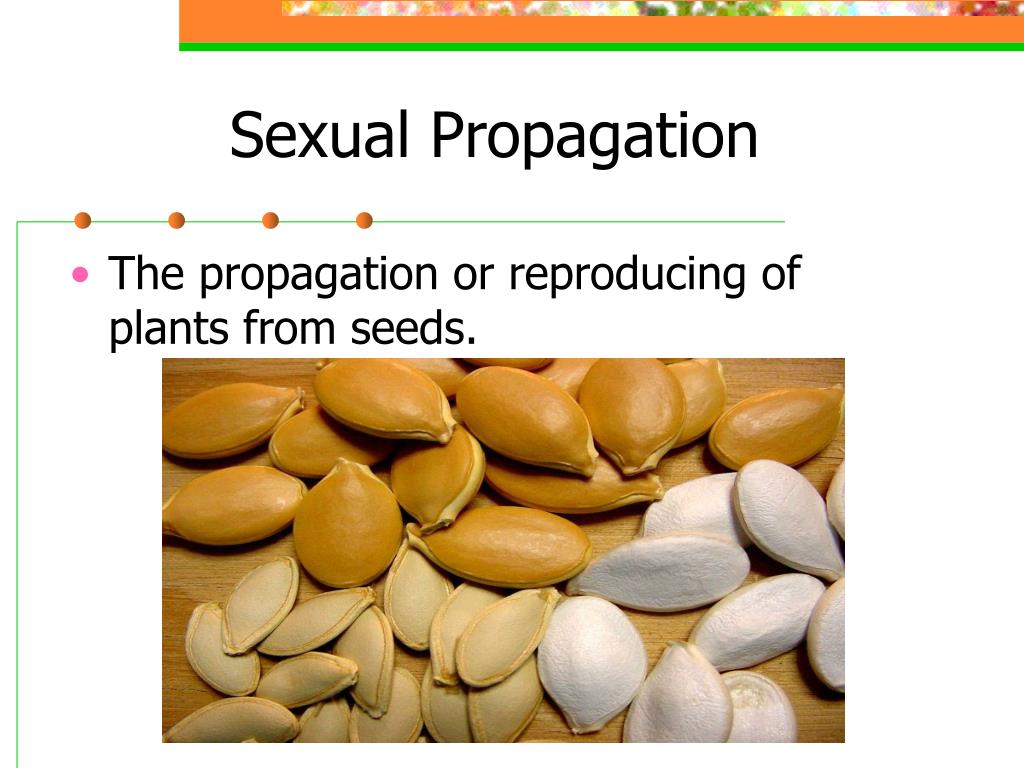
In general, there are two methods of propagating plants Sexual propagation involves the union of pollen and egg to produce a seed, while asexual propagation involves taking a part of a plant and causing it to regenerate. Sexual propagation is with the use of a seed or spore that is separated from the parent plant.
Sexual Reproduction
The answer lies in sexual propagation, one of nature’s most fundamental and fascinating reproductive processes Learn how to multiply plants by sexual and asexual methods, such as seed, cuttings, layering, division, grafting, and plant tissue culture Sexual propagation is the method of plant reproduction that involves the fusion of male and female gametes to produce seeds, which then develop into new plants.
Sexual reproduction, the production of new organisms by the combination of genetic information of two individuals of different sexes
In most species the genetic information is carried on chromosomes in the nucleus of gametes, which then unite to form a diploid zygote The zygote develops into a new individual. Two main methods of propagation exist Sexual propagation, which involves the use of seeds formed through the fusion of male and female gametes, and asexual propagation, which produces new plants without the formation of seeds or spores.
Sexual plant propagation is a fundamental process in the life cycle of plants, ensuring their survival and continuation across generations It involves the fusion of specialized reproductive cells, known as gametes, to produce genetically distinct offspring.