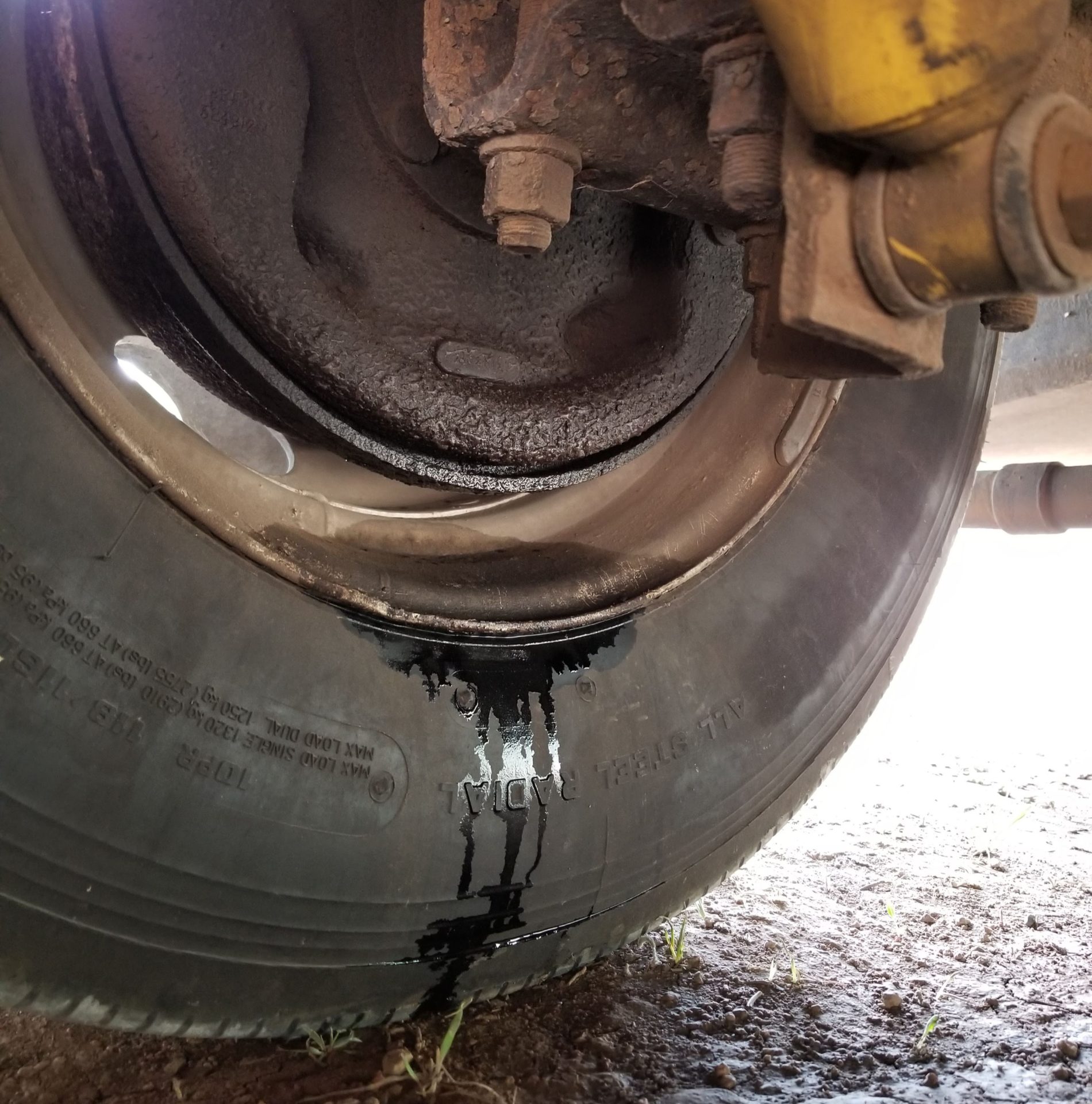
Does Brake Fluid Leak When Car Is Off ? Whatin
Begin Immediately does brake fluid leak when car is off hand-selected online video. No monthly payments on our digital collection. Explore deep in a extensive selection of shows demonstrated in superior quality, great for first-class streaming fanatics. With the freshest picks, you’ll always receive updates. Explore does brake fluid leak when car is off arranged streaming in retina quality for a sensory delight. Enter our platform today to peruse special deluxe content with at no cost, access without subscription. Stay tuned for new releases and browse a massive selection of rare creative works created for first-class media buffs. Make sure you see exclusive clips—save it to your device instantly! Enjoy the finest of does brake fluid leak when car is off exclusive user-generated videos with sharp focus and members-only picks.
See examples of does used in a sentence. For example, “i do like pizza” or “they do not want to go.” on the other hand, use “does” with the third person singular pronouns Get a quick, free translation
Does Brake Fluid Leak When Car Is Off? – WhatinCar
He/she/it form of do 2 Use “do” with the pronouns i, you, we, and they He/she/it form of do 3
Present simple of do, used with he/she/it
Both do and does are present tense forms of the verb do Which is the correct form to use depends on the subject of your sentence In this article, we’ll explain the difference between do and does, cover when and how to use each form, and provide examples of how they’re used in sentences. Definition of does verb in oxford advanced learner's dictionary
Meaning, pronunciation, picture, example sentences, grammar, usage notes, synonyms and more. Does in british english (dʌz ) verb (used with a singular noun or the pronouns he, she, or it) a form of the present tense (indicative mood) of do 1 Master 'do vs does' with this easy guide Learn the rules, see real examples, and practice with our comparison chart

We’ve put together a guide to help you use do, does, and did as action and auxiliary verbs in the simple past and present tenses.
‘do,’ ‘does,’ and ‘did’ are versatile auxiliary verbs with several key functions in english grammar They are primarily used in questions, negations, emphatic statements, and short answers. Understanding when to use “do” and “does” is key for speaking and writing english correctly