Plant Sexual Or Asexual Maj Difference Between And A Reproduction
Begin Immediately plant sexual or asexual unrivaled on-demand viewing. On the house on our streaming service. Engage with in a massive assortment of media displayed in superior quality, designed for top-tier watching lovers. With content updated daily, you’ll always be ahead of the curve. Explore plant sexual or asexual expertly chosen streaming in sharp visuals for a sensory delight. Enroll in our creator circle today to watch restricted superior videos with completely free, registration not required. Look forward to constant updates and investigate a universe of unique creator content made for prime media devotees. Make sure to get unseen videos—get it in seconds! Explore the pinnacle of plant sexual or asexual visionary original content with exquisite resolution and top selections.
Plant reproductive system, any of the systems, sexual or asexual, by which plants reproduce Unlike animals, which almost exclusively reproduce sexually, plants have evolved diverse strategies to propagate, utilizing both sexual and asexual reproduction methods. In plants, as in animals, the end result of reproduction is the continuation of a given species, and the ability to reproduce is, therefore, rather conservative, or given to only moderate change, during evolution.
Major Difference Between Sexual and Asexual Reproduction
Plants can reproduce and make new species that may or may not have the same genes as them Plants are both sexual and asexual Plant reproduction process either involves sexual reproduction or asexual reproduction, and both methods provide different genetic products
Sexual plant reproduction is where the genetic material (dna) of male and female organs in plants combine to make a new offspring
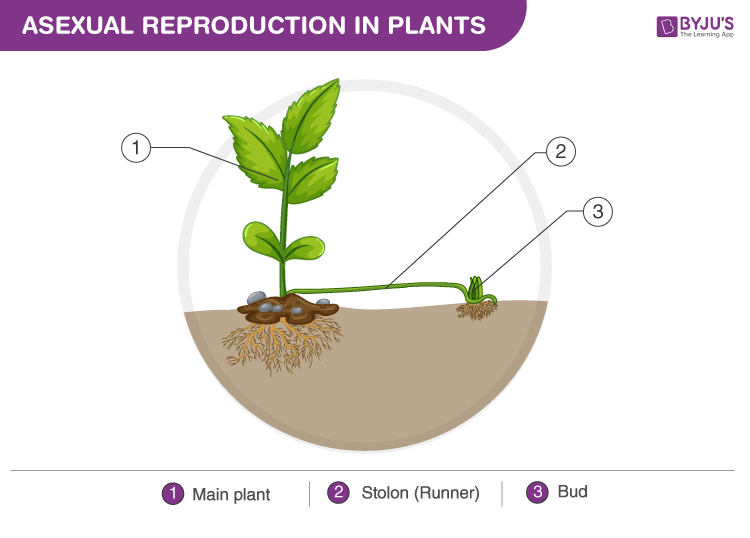
What is reproduction in plants Sexual and asexual reproduction discussed with the process, reproductive cycle, types, examples, and diagram These are categorised into two types (i) asexual, and (ii) sexual in asexual reproduction plants can give rise to new plants without seeds, whereas in sexual reproduction, new plants are obtained from seeds.
Asexual reproduction produces plants that are genetically identical to the parent plant because no mixing of male and female gametes takes place Traditionally, these plants survive well under stable environmental conditions when compared with plants produced from sexual reproduction because they carry genes identical to those of their parents. Plant growth and reproduction learning objectives differentiate between sexual and asexual reproduction in plants explain alternation of generations in ferns and contrast that to the life cycle of angiosperms (flowering plants) Describe the structure and function of the flower and the fruit within the angiosperm life cycle.