Amniotic Fluid Leak 20 Weeks How To Recognize Ing And What To Do?
Open Now amniotic fluid leak 20 weeks first-class media consumption. Subscription-free on our on-demand platform. Lose yourself in a extensive selection of clips on offer in HD quality, the best choice for high-quality viewing lovers. With contemporary content, you’ll always stay in the loop. Find amniotic fluid leak 20 weeks themed streaming in amazing clarity for a deeply engaging spectacle. Sign up today with our video library today to experience private first-class media with at no cost, no strings attached. Experience new uploads regularly and navigate a world of singular artist creations built for premium media aficionados. Don't pass up exclusive clips—click for instant download! See the very best from amniotic fluid leak 20 weeks bespoke user media with flawless imaging and hand-picked favorites.
Learn about leaking amniotic fluid during pregnancy, what it feels like, its causes, and when to seek care. After 36 weeks of pregnancy, your fluid levels start to decrease as your body prepares for your baby’s delivery. How do you know if you’re leaking amniotic fluid
How To Recognize Leaking Amniotic Fluid And What To Do?
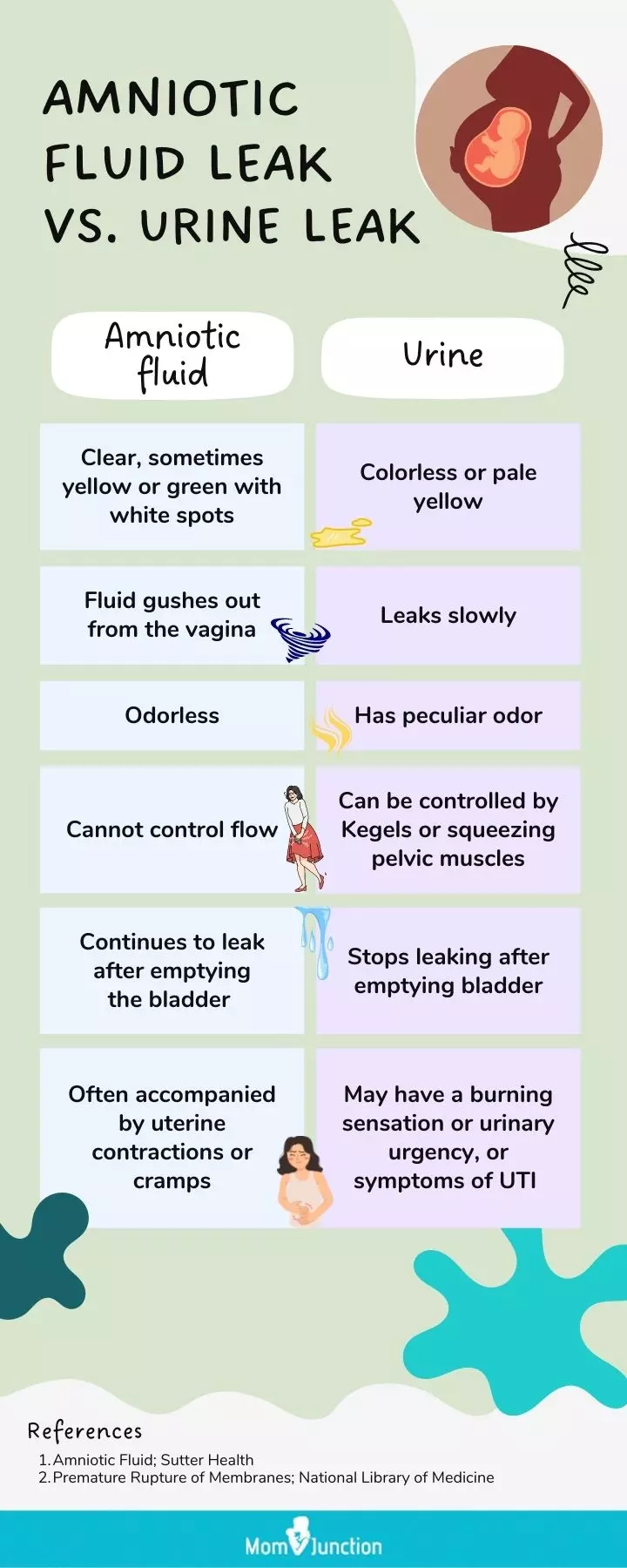
It’s generally a gush but can start as a slow drip or leak At its highest level, the amniotic fluid in your belly is around 1 quart Read on to learn the signs of leaking amniotic fluid.
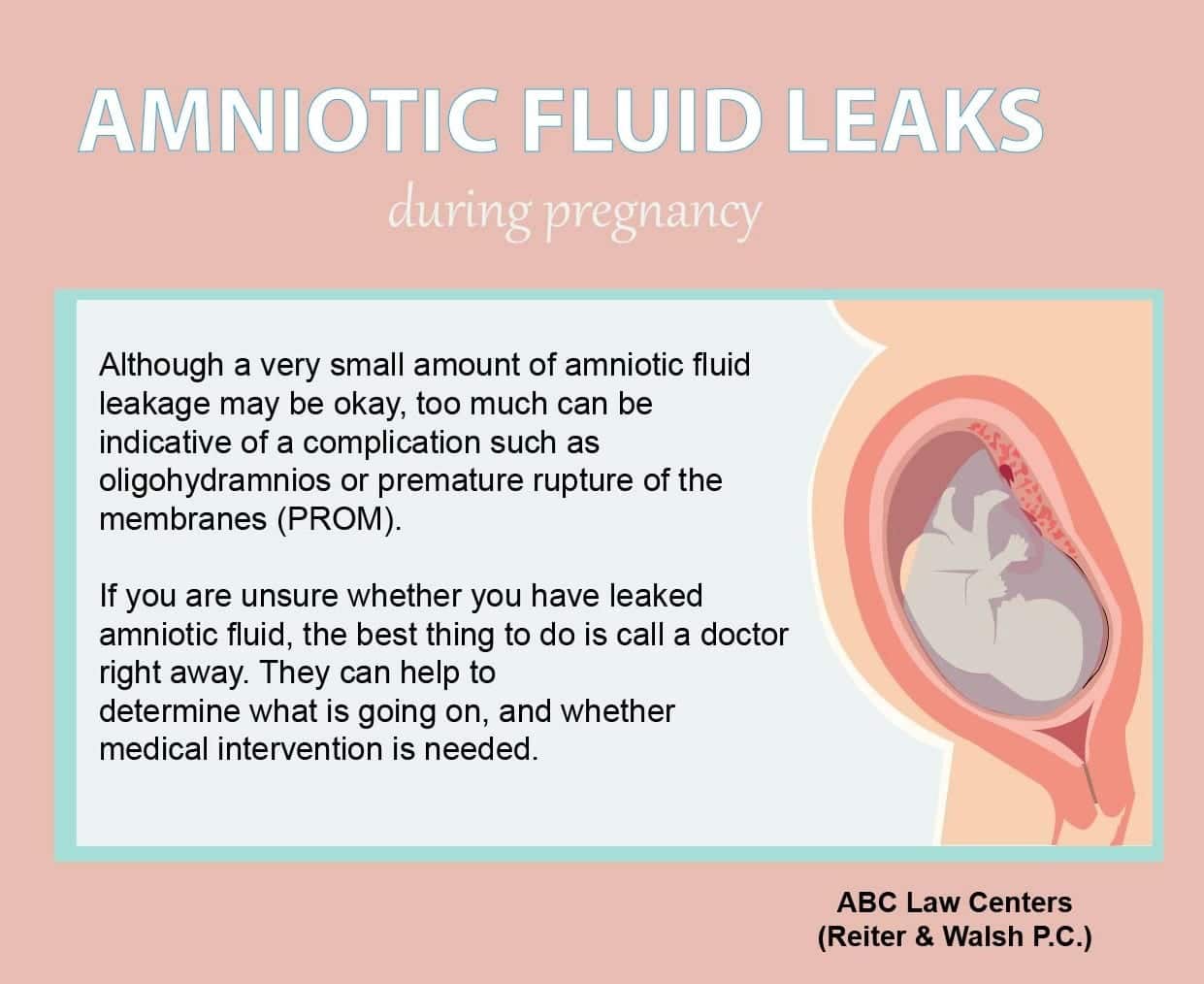
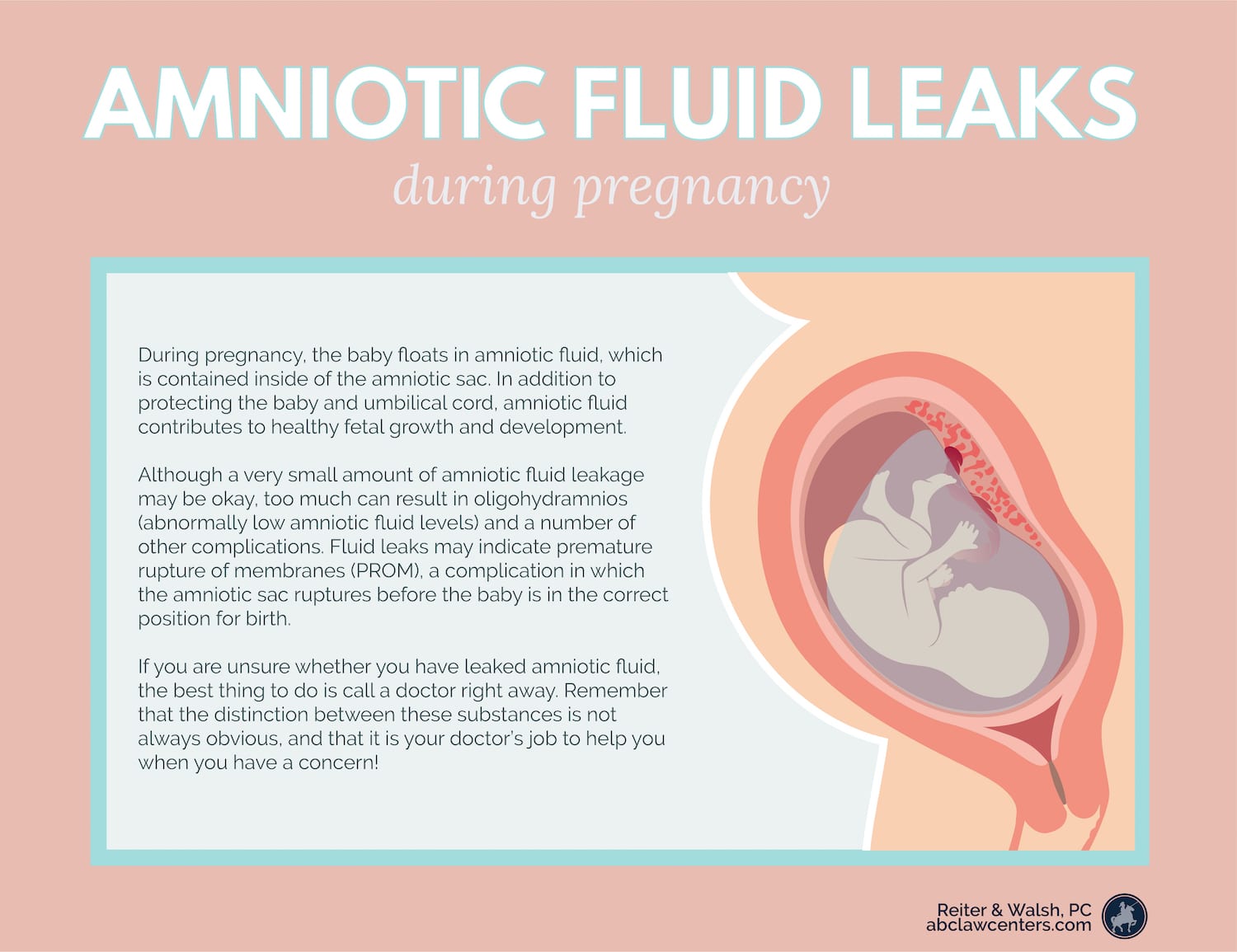
Some women may experience leaking amniotic fluid during pregnancy, too much of which may be harmful
The amniotic fluid comprises hormones, immune cells, nutrients, and urine produced by the fetus The fetus starts swallowing and excreting this protective fluid at around 20 weeks The amniotic fluid helps fetal movement and growth. If you suspect you're leaking fluid, don't ignore it
Once your healthcare team confirms the liquid is amniotic fluid, you'll need to stay at the hospital until your baby is born, even if you're weeks away from giving birth. Leaking amniotic fluid can be a sign of preterm premature rupture of membranes, or pprom, which has a variety of causes and can lead to bedrest and fetal monitoring.