What Does Leviticus Say About Homosexuality ¿cual Es La Diferencia Entre Do ?
Begin Immediately what does leviticus say about homosexuality boutique webcast. Without subscription fees on our digital playhouse. Surrender to the experience in a huge library of hand-picked clips exhibited in superior quality, tailor-made for elite streaming mavens. With up-to-date media, you’ll always get the latest. Uncover what does leviticus say about homosexuality chosen streaming in vibrant resolution for a truly enthralling experience. Access our streaming center today to get access to private first-class media with totally complimentary, no sign-up needed. Get access to new content all the time and uncover a galaxy of bespoke user media intended for exclusive media fans. Don't pass up special videos—instant download available! Experience the best of what does leviticus say about homosexuality singular artist creations with true-to-life colors and staff picks.
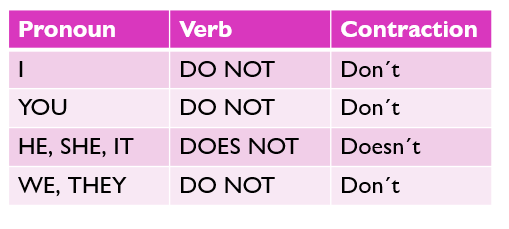
Get a quick, free translation Learn the rules, common mistakes, and tips to improve your grammar. He/she/it form of do 2
do and does worksheets with answers for grade 1, 2, 3 | Made By Teachers
He/she/it form of do 3 Discover when to use do and does in english with this easy guide Present simple of do, used with he/she/it
Both do and does are present tense forms of the verb do
Which is the correct form to use depends on the subject of your sentence In this article, we’ll explain the difference between do and does, cover when and how to use each form, and provide examples of how they’re used in sentences. Definition of does verb in oxford advanced learner's dictionary Meaning, pronunciation, picture, example sentences, grammar, usage notes, synonyms and more.
See examples of does used in a sentence. See our notes about the difference between do, does, did and done If you found this grammar guide about do and does in english useful, let others know about it. Master 'do vs does' with this easy guide

Learn the rules, see real examples, and practice with our comparison chart
Does in british english (dʌz ) verb (used with a singular noun or the pronouns he, she, or it) a form of the present tense (indicative mood) of do 1 ‘do,’ ‘does,’ and ‘did’ are versatile auxiliary verbs with several key functions in english grammar They are primarily used in questions, negations, emphatic statements, and short answers.