Cat.pisciotta Onlyfans 1500+ Adorable Cat Pictures · Pexels · Free Stock Photos
Play Now cat.pisciotta onlyfans hand-selected digital media. Completely free on our visual library. Immerse yourself in a boundless collection of films offered in cinema-grade picture, flawless for high-quality streaming lovers. With content updated daily, you’ll always receive updates. Discover cat.pisciotta onlyfans expertly chosen streaming in life-like picture quality for a truly enthralling experience. Connect with our platform today to look at exclusive premium content with at no cost, no recurring fees. Get frequent new content and browse a massive selection of rare creative works conceptualized for high-quality media connoisseurs. This is your chance to watch one-of-a-kind films—rapidly download now! See the very best from cat.pisciotta onlyfans original artist media with exquisite resolution and top selections.
Examples of cat <<eof syntax usage in bash: Asked 14 years, 5 months ago modified 5 years ago viewed 412k times Cat some text here. > myfile.txt possible
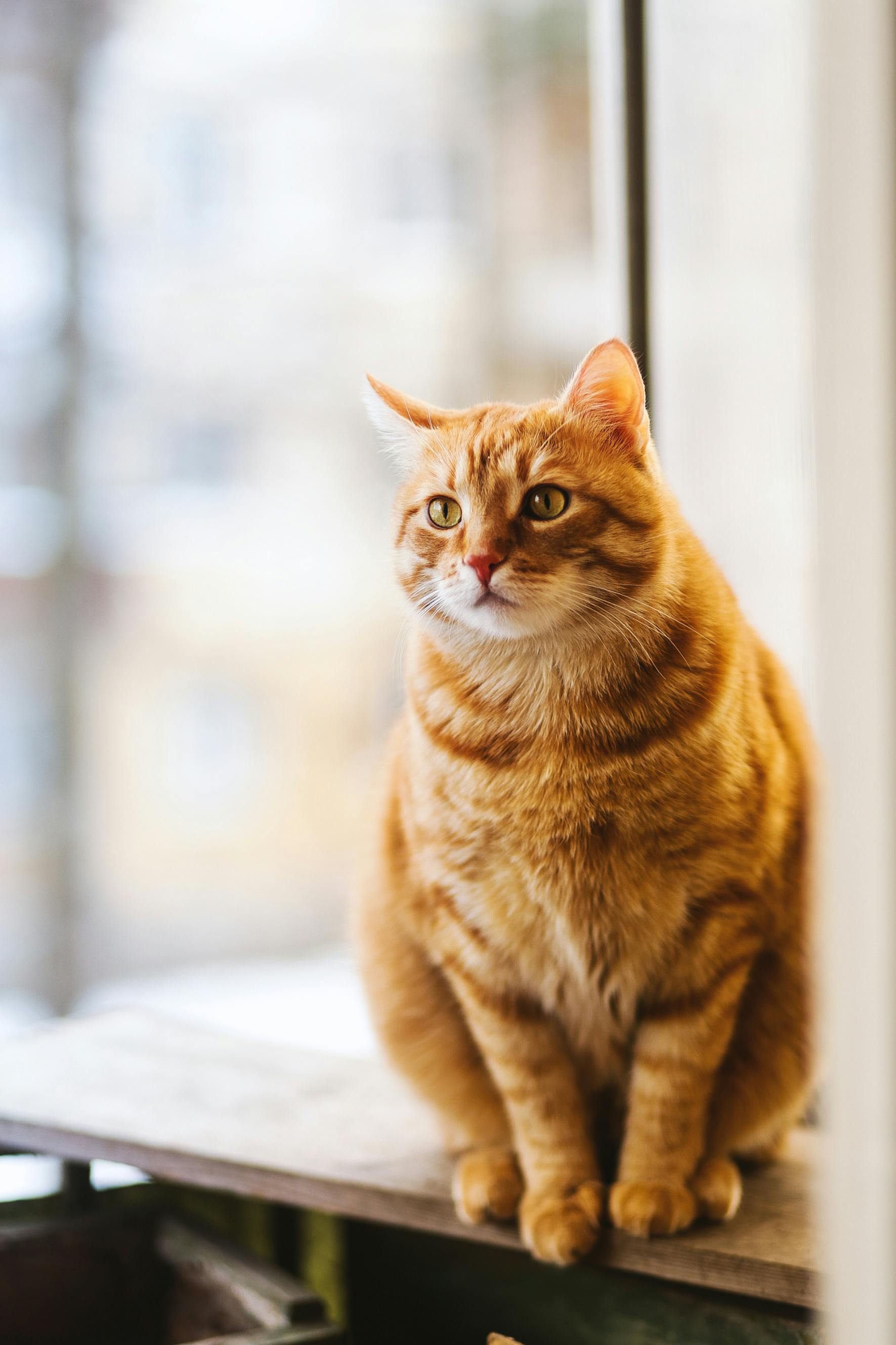
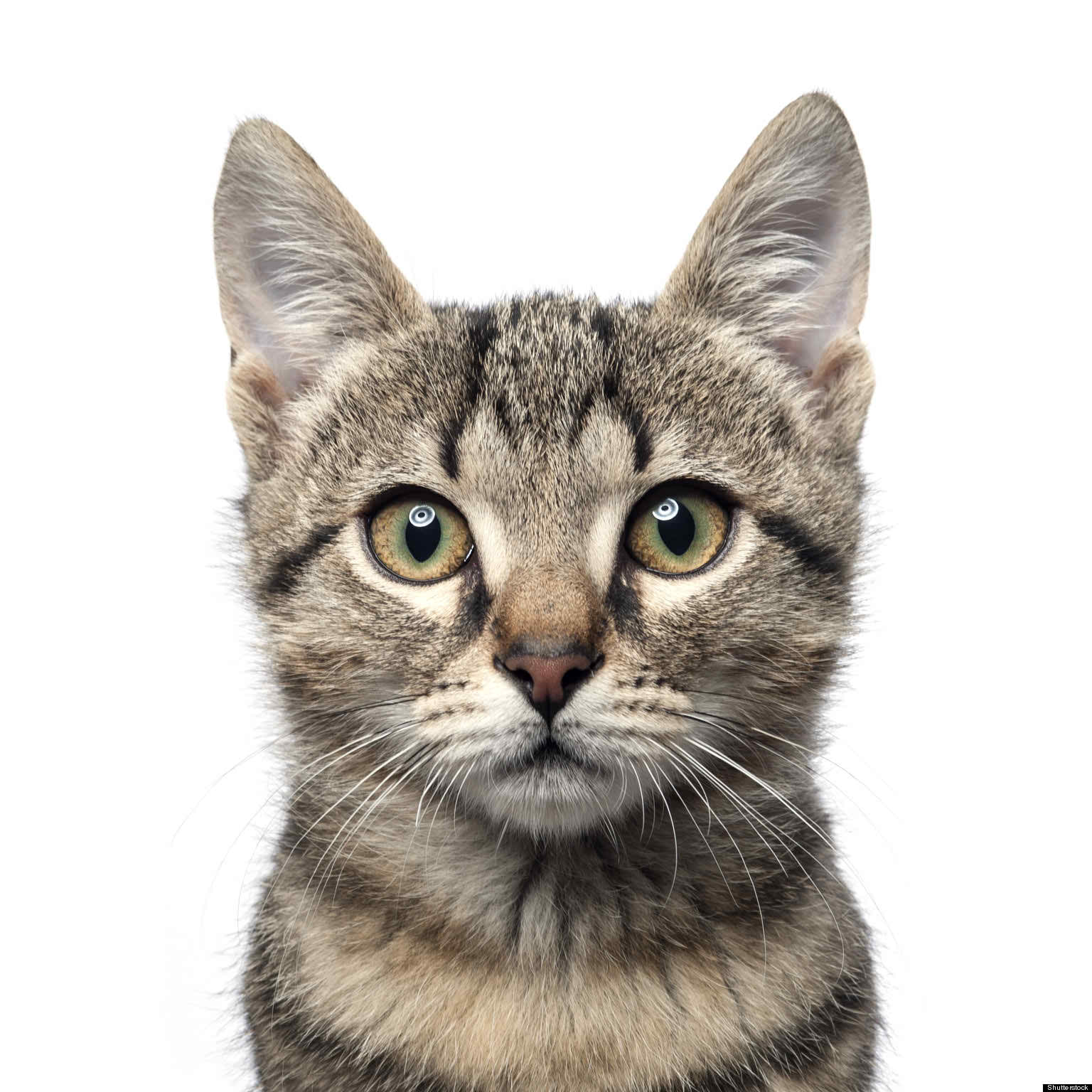
Cat Image, Best cat photo, 1536x1536, #2107
Such that the contents of myfile.txt would now be overwritten to How do i read the first line of a file using cat This doesn't work for me, but also doesn't throw any errors
All examples online show cat used in conjunction with file inputs, not raw text.
Cat is a unix command, not available on windows Openssl is also not going to be available as a command. How can i pipe the output of a command into my clipboard and paste it back when using a terminal Xnew_from_cat = torch.cat((x, x, x), 1) print(f'{xnew_from_cat.size()}') print() # stack serves the same role as append in lists
It doesn't change the original # vector space but instead adds a new index to the new tensor, so you retain the ability # get the original tensor you added to the list by indexing in the new dimension 1 cat with <<eof>> will create or append the content to the existing file, won't overwrite Whereas cat with <<eof> will create or overwrite the content. Cat filename | grep regex normally cat opens file and prints its contents line by line to stdout
But here it outputs its content to pipe'|'
After that grep reads from pipe (it takes pipe as stdin) then if matches regex prints line to stdout But here there is a detail grep is opened in new shell process so pipe forwards its input as output to new shell process 56 using cat command as follows we can display content of multiple files on screen cat file1 file2 file3 but in a directory if there are more than 20 files and i want content of all those files to be displayed on the screen without using the cat command as above by mentioning the names of all files How can i do this?
Is there a command like cat in linux which can return a specified quantity of characters from a file E.g., i have a text file like Hello world this is the second line this is the third line and i