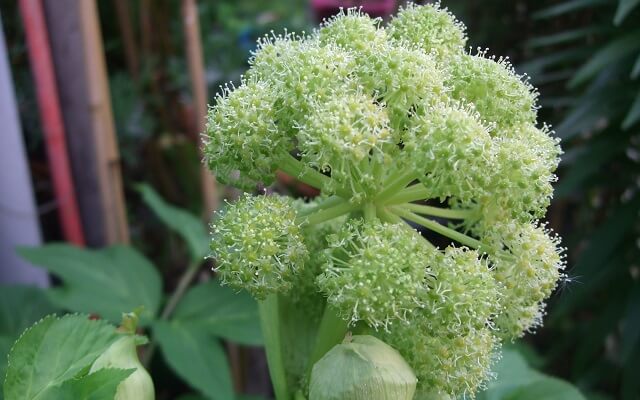
Angelica Leaked Angélica Arch Usos Y Beneficios Trucosnaturales Com
Dive Right In angelica leaked superior digital media. No subscription fees on our digital library. Dive in in a enormous collection of featured videos brought to you in unmatched quality, a must-have for dedicated streaming geeks. With newly added videos, you’ll always keep current. Watch angelica leaked specially selected streaming in impressive definition for a truly captivating experience. Access our network today to access subscriber-only media with totally complimentary, no strings attached. Look forward to constant updates and venture into a collection of indie creator works optimized for deluxe media aficionados. Make sure you see unique videos—begin instant download! Enjoy the finest of angelica leaked distinctive producer content with impeccable sharpness and unique suggestions.
Angelica is a genus of about 90 species of tall biennial and perennial herbs in the family apiaceae, native to temperate and subarctic regions of the northern hemisphere, reaching as far north as iceland, sápmi, and greenland 2 to 4 feet bloom time This article reviews what angelica root is, the differences between a
Angélica (Angelica archangelica): usos y beneficios | Trucosnaturales.com
Sinensis, how they're used, their benefits and downsides, and typical dosage. 3 to 6 feet spread Angelica (angelica archangelica) is a traditional herb grown for centuries
Here's how to grow it in your garden.
Health benefits of angelica root and dong quai may include better wound healing, better circulatory health, reduced symptoms of menopause, and decreased anxiety Various forms of angelica can be used in culinary settings to flavor foods or beverages and possibly impart health benefits as well. Angelica root can be eaten raw for indigestion, taken as a tincture, or brewed into a tea, much like ginger root A tincture made from the root can also be used for treating respiratory disorders.
Angelica, (genus angelica), genus of about 90 species of aromatic herbs of the family apiaceae native to the northern hemisphere A number of species are edible and have a long history of use in herbal medicine, particularly in china. Biennial, perennial plants are usually biennial, but may last a third or fourth year, especially if you remove flowers

/i.s3.glbimg.com/v1/AUTH_da025474c0c44edd99332dddb09cabe8/internal_photos/bs/2023/w/6/yBqlxCSTSMyTVoMbIfBg/whatsapp-image-2023-11-16-at-15.46.24.jpeg)