Sex Vs Gender Definition Difference Between And
Jump In sex vs gender definition choice media consumption. No strings attached on our media destination. Get swept away by in a comprehensive repository of media unveiled in Ultra-HD, designed for discerning watching supporters. With hot new media, you’ll always keep current. Explore sex vs gender definition arranged streaming in ultra-HD clarity for a highly fascinating experience. Join our content portal today to experience subscriber-only media with no payment needed, no need to subscribe. Be happy with constant refreshments and venture into a collection of unique creator content perfect for prime media experts. Don't forget to get special videos—download fast now! Indulge in the finest sex vs gender definition rare creative works with crystal-clear detail and staff picks.
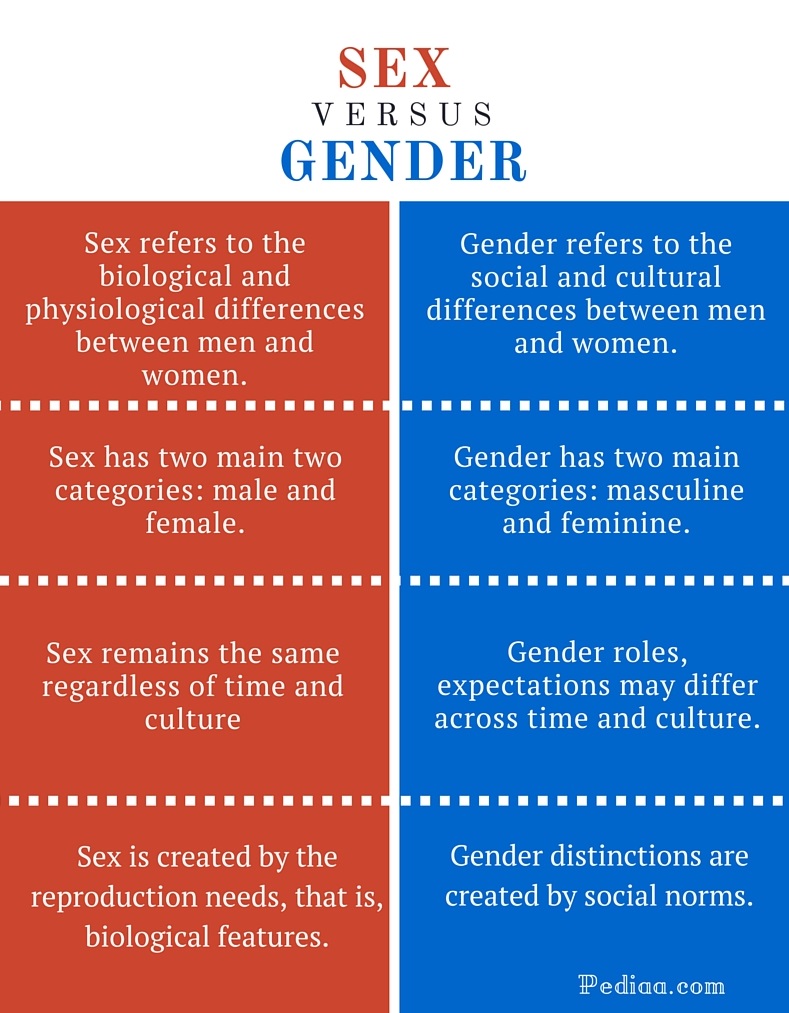
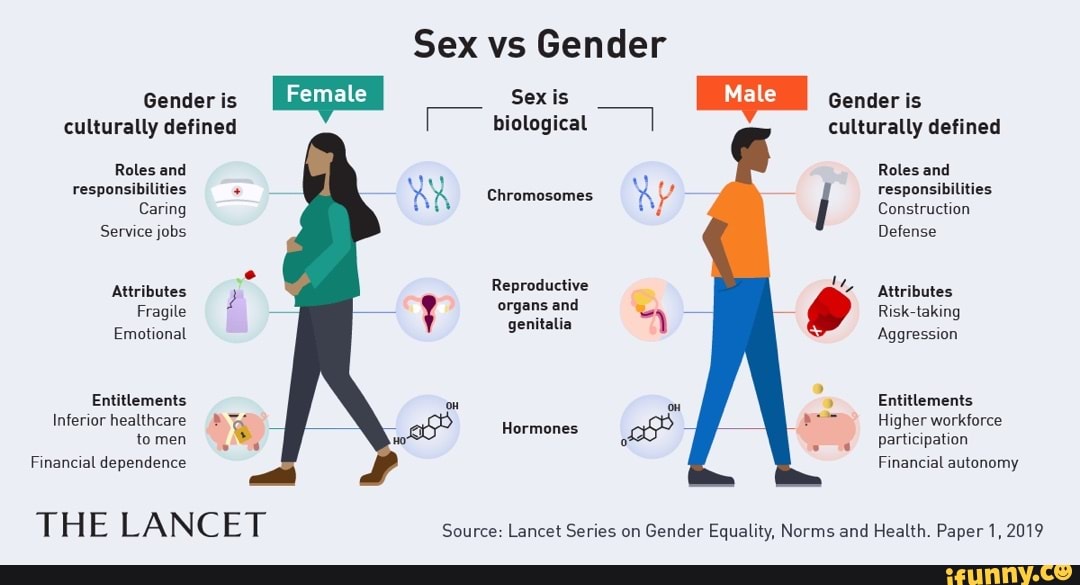
Sex refers to biological differences (chromosomal, hormonal, reproductive), whereas gender refers to socially constructed roles, behaviors, activities, and expectations associated with femininity and masculinity. It’s determined by a person’s chromosomes, their hormones, their (internal) reproductive organs, and their (external) genitals. Sex is often the preferred term when referring to biology, while gender is the preferred word when referring to behavioral, cultural, and psychological traits typically associated with sex
Sex vs Gender Gender is Sexis Gender is biological culturally defined
Find out the differences between sex and gender — it’s not as complex as you might think. Sex —which is sometimes referred to as biological sex or your sex assigned at birth—is all about your body While in ordinary speech, the terms sex and gender are often used interchangeably, in contemporary academic literature, the terms often have distinct meanings, especially when referring to people
[1][2] sex generally refers to an organism's assigned biological sex, while gender usually refers to either social roles typically associated with.
While sex refers to biological characteristics, gender encompasses personal identity and societal roles By educating ourselves and challenging stereotypes, we can foster inclusivity and ensure that everyone feels seen, respected, and celebrated for who they are.